
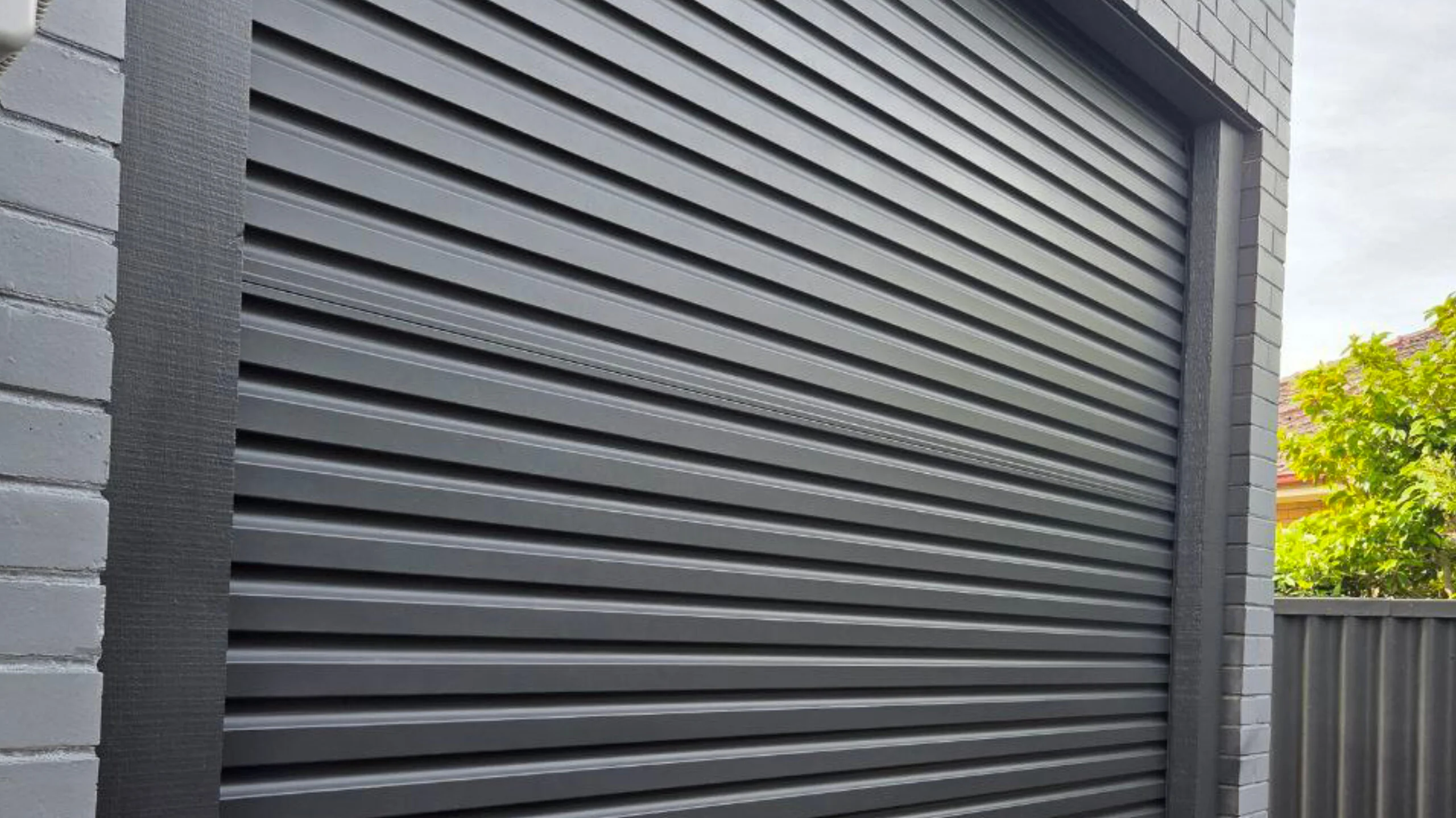
How to Spray-Paint a Garage Door for a Slick, Show Worthy Finish
1. Why spray-finish beats roller & brush
If you want your garage door to look razor-sharp and factory-smooth, using a paint sprayer is the move. According to pro guides, spraying is “quicker and easier.
The best way to get a professional, smooth, even finish” for a garage door.
For your business, emphasise: fast turnaround + premium finish = bigger curb appeal = happy clients.
2. Prep like a pro (and why it matters)
You know the drill, solid prep = good finish. Here are your steps:
Clean thoroughly. Remove dirt, grease, old peeling paint. One guide says “Scrub the garage door, hose down, allow to dry” before priming.
Remove rust (for metal doors) or sand rough spots (for wood). Another guide says: “sand any rusty spots, clean the surface with a degreaser, apply a rust-inhibitive primer”.
Mask off everything you don’t want painted (trim, windows, driveway edges). A spray gun will throw fine mist if you’re not careful.
Choose a good day: weather matters. As one Australian pro put it: avoid extremes (too cold, too hot, too windy) so the paint works well.
3. Choose your paint + primer right
Always use a primer, especially if the surface is bare, rusted, or old. Primer helps adhesion, durability and a better finish.
Use high-quality exterior paint suitable for the door material (metal, wood, vinyl). As one blog says: “Choose quality, exterior garage door paints like acrylic latex.”
Pick a finish that complements the house exterior (semi-gloss or satin often works better for durability and looks).
If you spray, make sure the paint is suitable for spray application (check manufacturer instructions).
4. Spray technique for the win
Practice first: test the spray pattern on cardboard or scrap board. One guide advises “practice spraying on a piece of cardboard, adjust the sprayer for best pattern.”
Keep the spray gun tip about ~30 cm from the surface (for many setups) and overlap each pass by ~50% so you avoid striping.
Move in consistent strokes (vertical or horizontal) depending on door panels. One site: “Start at one end, apply the paint moving the spray gun in vertical motions as you move along the garage door.”
Work from top to bottom if you can, and keep the gun perpendicular to the surface. Avoid fanning or angling too much – that causes uneven coverage.
Don’t overload with paint, two light coats often beat one heavy coat. More paint = more chance of drips and texture.
5. Finishing touches & inspection
Once paint is done, allow full drying/curing time. Move tape and coverings only after it’s set enough to keep crisp lines.
Inspect for runs, drips, missed spots. Fix them now, before they harden.
Clean up any overspray (on driveway, windows, plants). A professional job leaves no mess.
Recommend periodic maintenance for the homeowner: cleaning the door, touch-ups as needed. One guide suggests regular cleaning and immediate touch-up of chips to maintain good look.
