
How to Make a Small Space Look Larger and Brighter with Color Tricks
Using color intelligently is the most powerful and cost-effective tool for transforming the perception of space. With these tricks, you can make even the smallest spaces appear more spacious, brighter, and more attractive.
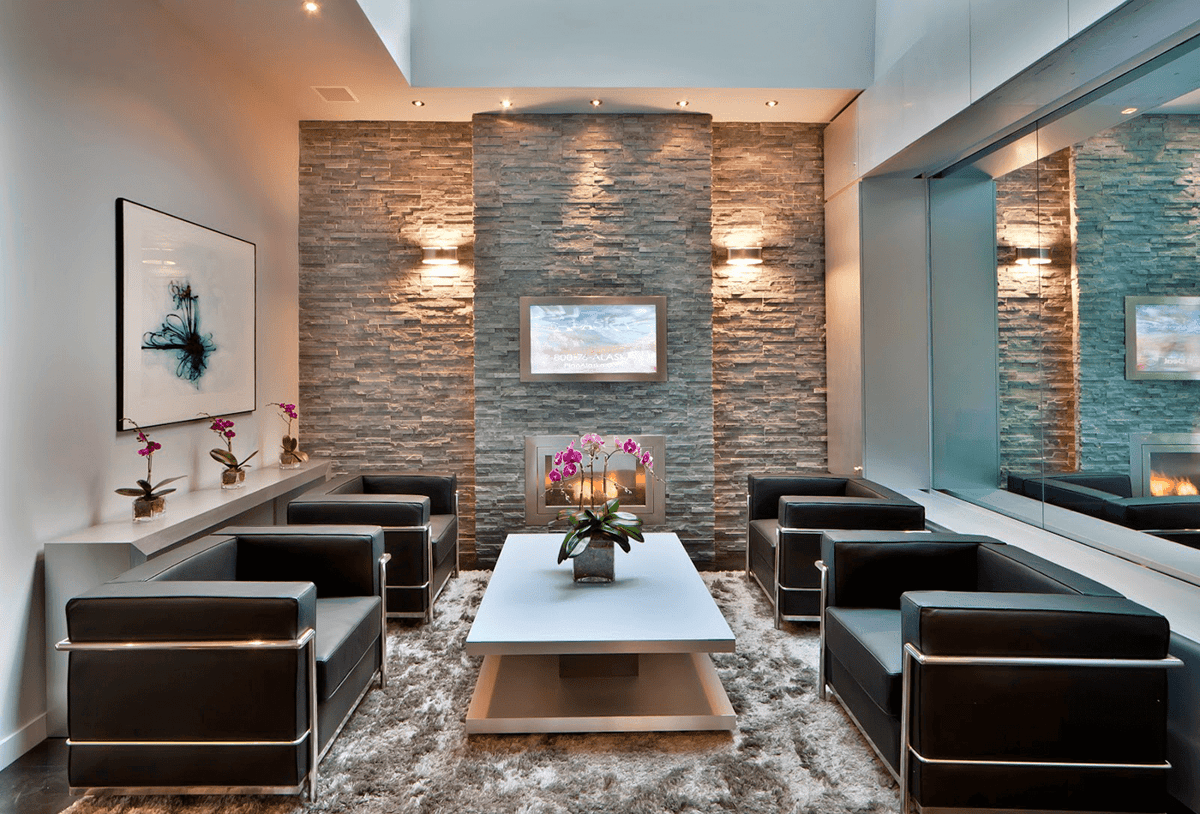
Principles of Color Psychology for Small Spaces
1. The Golden Rule: Light and Cool Colors
Colors with high light value and a cool undertone create a sense of greater space:
-
Whites and creams: Maximally reflect light. Warm whites (with cream or beige undertones) are more pleasant than cool whites (with blue undertones).
-
Very pale blues, icy greens, cool lavenders: Evoke a sense of expansiveness and open spaces.
-
Very light grays: Provided they are warm (with brown/beige, not blue, undertones).
2. Color Continuity for Visual Flow
-
A single color for walls, ceiling, and baseboards creates a sense of continuity and infinity.
-
If you must have a different ceiling color, use pure white or a color one shade lighter than the walls.
3. Creating Depth with Controlled Use of Dark Colors
Contrary to popular belief, a dark accent wall at the end of a narrow space (e.g., the end of a hallway) can make the space appear longer by creating visual depth.
10 Practical and Actionable Tricks
1. The Wall and Ceiling Color Trick
-
Painting walls and ceiling the same color: Blurs the boundary between wall and ceiling, making the ceiling appear higher.
-
Color of facing walls: Paint the end wall of a narrow space (like a hallway) in a color one or two shades lighter than the side walls to create a greater sense of depth.
2. The Furniture and Furnishings Color Trick
-
Furniture that harmonizes with the wall: Furniture whose color is close to the wall color (not necessarily identical) makes items blend into the space, pushing the walls visually backward.
-
Transparent bases: Using tables, chairs, or sofas with glass or acrylic legs allows you to see the floor beneath them, preventing a cluttered look.
-
Furniture with tall legs: Seeing the space under furniture exposes more flooring, enhancing the visual sense of breadth.
3. The Flooring Color Trick
-
Light and uniform color: Light-colored flooring (light oak, light gray) with a simple pattern expands the space.
-
Large rug with a light border: A rug covering at least two-thirds of the floor with a light border extends the perceived boundaries of the space.
-
Avoid dark and busy patterned rugs: They fragment and shrink the space.
4. The Curtain and Window Trick
-
Curtains matching the wall color: Floor-to-ceiling curtains in the exact same color as the walls (or at most one shade lighter) increase perceived height.
-
Sheer, light-filtering curtains: Allow maximum natural light.
-
White window frames: Painting window frames white helps them blend with light walls, making the window appear larger.
5. The Lighting and Reflection Trick
-
Using large mirrors: Place a mirror opposite a window or light source to double the reflection of light and the outdoor view.
-
Glossy surfaces: Using satin or semi-gloss paint on walls (not matte) reflects light better. Glossy surfaces on furniture or decor have the same effect.
-
Layered lighting: Combine ambient (ceiling), task (lamp), and accent lighting (picture frame or cabinet lighting) to create depth.
6. The Vertical and Horizontal Stripes Trick
-
Vertical stripes: Wallpaper or paint with thin vertical stripes makes the ceiling appear higher.
-
Horizontal stripes: In narrow, tall spaces, a horizontal band of color (e.g., at mid-wall height) can make the space seem wider.
7. The Smart Contrast Trick
-
Low contrast in the environment, high contrast in one focal point: A generally low-contrast environment (walls, ceiling, floor) with one bold-color focal point (e.g., a colorful piece of art or a unique chair).
-
Highlighting an architectural feature: Emphasize a niche, arch, or one wall with a soft but distinct color to create depth.
8. The Door and Frame Color Trick
-
Paint doors and frames the same color as the walls: Paint room doors, door frames, and window frames the exact same color as the walls (or with a slight variation). This blurs the boundaries.
-
If the door is dark: Turn it into a focal point and surround it with very light colors.
9. The Limited Color Palette Trick
-
Use a maximum of 3-4 colors: In a small space, a limited and harmonious color palette (Monochromatic or Analogous) creates visual unity and calm.
-
Zoning with color: In a studio or open space, use color variation to define different areas (e.g., living and sleeping areas), but with closely related shades.
10. The Vertical Greenery Trick
-
Hanging or wall-mounted plants: Plants add vitality to a small space without occupying floor space. Choose pots that match the wall color.
Suggested Color Palettes for Small Spaces
| Space Type | Main Wall Colors | Accent Color (Max 10% of space) |
|---|---|---|
| Small Bedroom | Pearl White, Light Beige, Powder Blue | Sage Green, Soft Coral |
| Small Kitchen | Warm White, Very Light Warm Gray | Pale Navy Blue, Jade Green |
| Hallway & Entry | Pure White, Icy Cream | Gold-framed Mirror, a Bright Artwork |
| Small Home Office | Sage Green, Very Light Blue-Gray | Natural Wood, Pale Lemon Yellow |
Three Forbidden Mistakes in Painting Small Spaces
-
Using dark colors on all surfaces: Dark walls compress and weigh down the space.
-
High contrast between walls, ceiling, and floor: e.g., White walls, black ceiling, dark brown floor. This fragments and shrinks the space.
-
Using multiple bold, busy colors: Every bold color needs breathing room, which a small room lacks.
Final Conclusion: Creating the Illusion of Space
The key to success lies in creating an uninterrupted flow of light and color. From floor to ceiling, from wall to window, there must be a sense of continuity. Light colors are your main canvas, and contrasts and bold colors should appear sparingly as focal points on this canvas. With these tricks, not only your physical space but also your mental space will feel larger and brighter.
